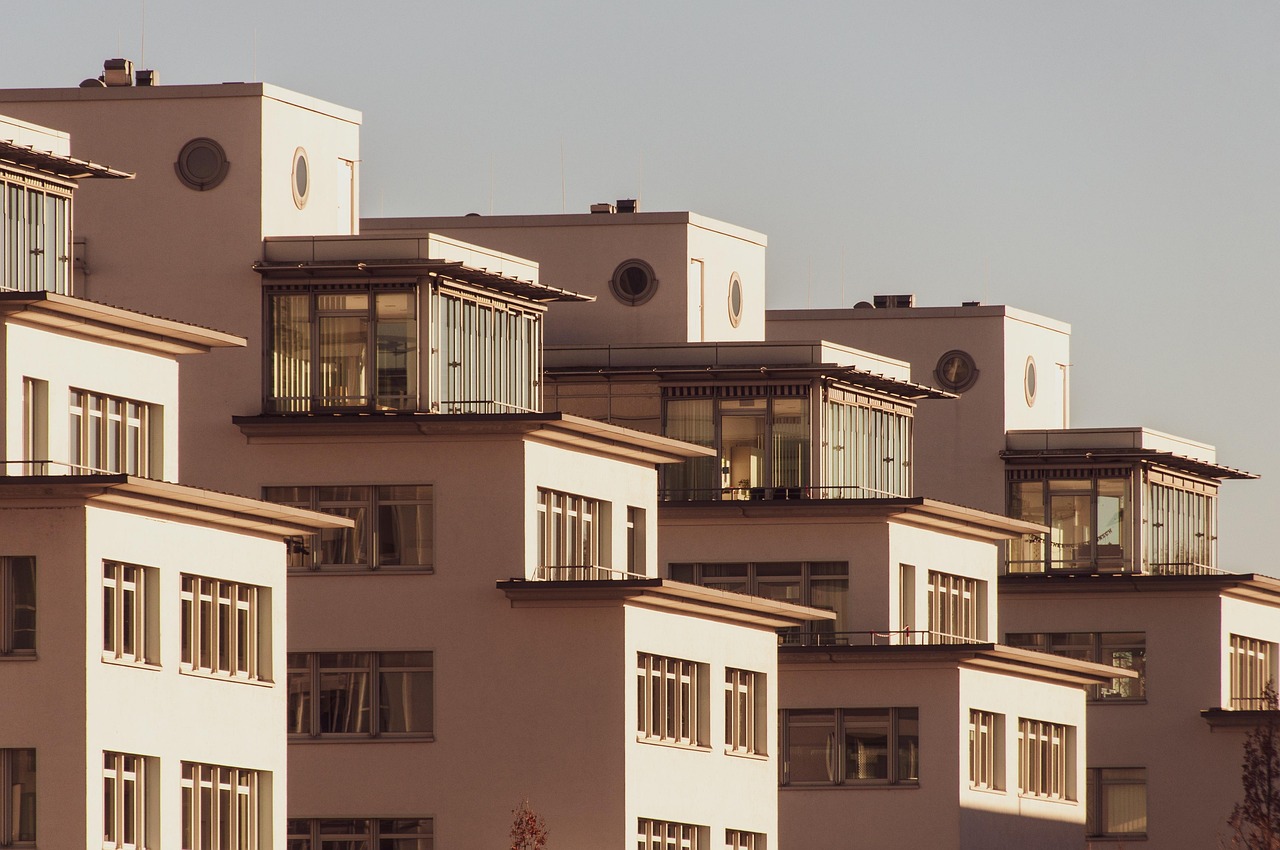
Roofing for apartment complexes in Tampa is a critical aspect of property management, offering protection from the elements and enhancing the curb appeal and value of these residential buildings. However, the city's stringent regulations and safety standards can make it challenging for property managers and owners to navigate the process, especially when dealing with large-scale roofing projects. This article provides a practical guide to ensure safe and compliant roofing work, covering essential aspects from contractor selection and emergency preparedness to legal requirements and modern roofing solutions. By following these practices, Tampa's apartment complex managers can maintain their properties effectively while adhering to the city's high standards.
- Understanding Tampa's Roofing Regulations for Apartment Complexes
- Essential Safety Gear for Roofing Professionals in Tampa
- Step-by-Step Guide to Compliant Installation
- Regular Maintenance: Ensuring Long-Term Safety and Compliance
- Common Mistakes and How to Avoid Them in Tampa Roofing Projects
Understanding Tampa's Roofing Regulations for Apartment Complexes
In Tampa, the safety and compliance of roofing work for apartment complexes are governed by a set of stringent regulations designed to protect both residents and the environment. Understanding these regulations is crucial for apartment management and local roofing contractors alike. One of the primary considerations is obtaining the necessary licenses and permits, which vary based on the scope of the project. Minor repairs or maintenance tasks might require a simple permit, while major renovations or re-roofs could necessitate more extensive documentation. Local roofing contractors should be well-versed in these requirements to ensure compliance from the outset.
Tampa's regulations emphasize the importance of using approved materials and employing certified specialists for specific tasks. This includes, but is not limited to, the installation of new roofs, repairs due to storm damage, or the replacement of roof components. Warranty options for roofing in Tampa are another critical aspect, with many projects requiring contractors to provide guarantees for their work. These warranties not only protect apartment complexes against defects but also offer peace of mind for residents. Local roofing knowledge in Tampa is vital, as it enables contractors to navigate these regulations effectively and adapt their practices to meet the unique needs of each apartment complex.
To stay compliant, nearby roofing experts for apartments in Tampa should also focus on ongoing training and quality assurance. This includes keeping up-to-date with building codes, safety protocols, and new roofing technologies. By doing so, they can ensure their work meets the highest standards, reduces potential risks, and minimizes future expenses for apartment management. Effective communication between contractors, management, and residents is also key. Regular updates and transparent discussions about project timelines, materials, and potential issues can help manage expectations and foster a collaborative environment, ultimately contributing to a successful roofing project.
Essential Safety Gear for Roofing Professionals in Tampa
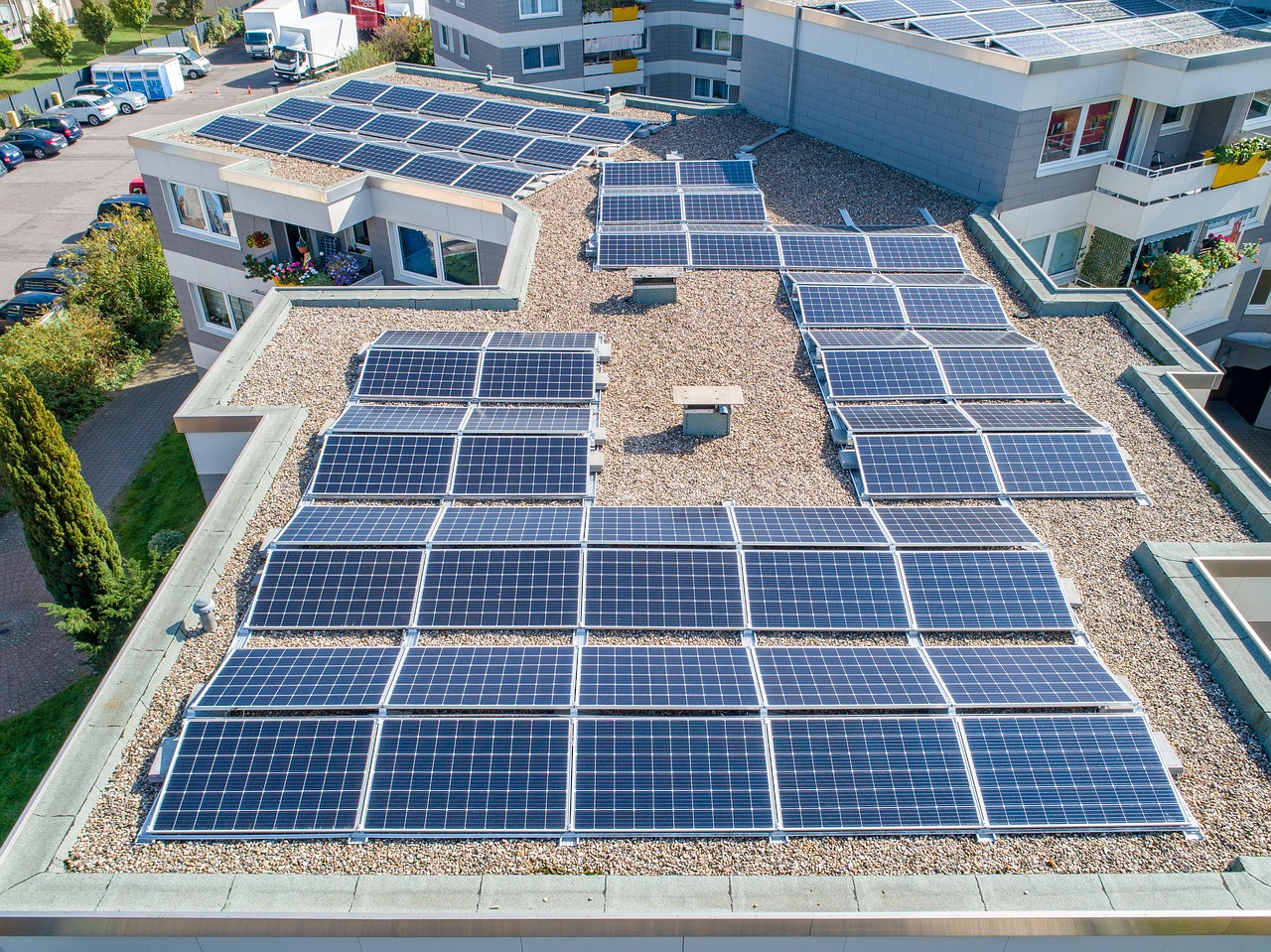
Roofing work in Tampa, especially for apartment complexes, demands a deep understanding of local conditions and regulations. Ensuring safety is paramount, given the inherent risks associated with heights and heavy equipment. Local roofing professionals in Tampa who specialize in apartment complex roofing must be adept at navigating these challenges, adhering to stringent safety standards, and employing the right gear.
A comprehensive safety kit for roofing professionals in Tampa should include hard hats, safety harnesses, steel-toed boots, and high-visibility vests. These essentials are crucial for protecting against falls, debris impact, and potential electrocution hazards common in urban environments. Properly fitted and maintained safety gear is not just a legal requirement but a vital component of a safe working environment. When selecting gear, prioritize quality and adherence to industry standards, ensuring each piece is in excellent condition and fits properly.
Choosing the right contractor matters in ensuring safe roofing work. When negotiating with local roofing contractors in Tampa, inquire about their safety protocols, insurance coverage, and experience with apartment complex roofing. Reputable contractors will have up-to-date certifications and a proven track record of safe, compliant installations. Inquire about their training in using fall protection equipment, their understanding of local building codes, and their ability to provide references from satisfied apartment complex owners. This due diligence is essential to mitigate risks and ensure the project's success, both in terms of timely completion and safety.
Step-by-Step Guide to Compliant Installation

Ensuring safe and compliant roofing work in Tampa is paramount for apartment complex owners and managers. When undertaking a multi-unit roofing project, a meticulous approach is essential. This step-by-step guide, tailored to the unique needs of apartment complexes in the Tampa Bay area, will help navigate the process from start to finish.
First, select best local roofing contractors Tampa with proven expertise in multi-unit roofing. Look for certified specialists who understand the specific challenges of apartment buildings, such as navigating tight spaces and ensuring minimal disruption to tenants. Reputable contractors will also offer comprehensive warranties, crucial for protecting your investment. In Tampa, where weather conditions can vary, a warranty that covers both materials and craftsmanship for an adequate period, say 20-30 years, is recommended. This provides financial security and peace of mind, especially in case of unforeseen repairs.
Before work begins, familiarize yourself with local roofing guide Tampa regulations and codes. These guidelines govern everything from the type of roofing materials used to the installation process. Compliance is not just a legal requirement but also ensures the longevity and safety of the roof. Certain areas in Tampa may have specific requirements for reflective roofing materials to reduce heat absorption and energy costs. Post-installation, implement a structured maintenance program Tampa to detect and address issues early. Regular inspections, especially after severe weather, can prevent costly repairs and ensure the roof's integrity.
Lastly, understand the hidden costs associated with roofing projects. Beyond the cost of materials and labor, factor in permits, inspections, and potential relocation of tenants. Some contractors may offer package deals or financing options to help offset these expenses. By following these steps and engaging with reputable professionals, Tampa-area apartment complex owners can ensure their roofing projects are safe, compliant, and executed with the highest standards.
Regular Maintenance: Ensuring Long-Term Safety and Compliance

Regular maintenance is a cornerstone of safe and compliant roofing for apartment complexes Tampa. As buildings age, so do their roofs, and regular checks can prevent costly repairs and ensure the structure's integrity. At least once a year, experienced apartment roofing contractors should inspect the roof for signs of wear, such as missing or damaged shingles, leaks, or corrosion on flashing. This proactive approach not only extends the life of the roof but also protects the investment made by apartment managers and owners.
A comprehensive maintenance program might include checking for proper drainage, sealing around vents and pipes, and re-nailing loose shingles. During these visits, contractors can also assess the condition of the underlayment, which acts as a secondary barrier against water intrusion. They can recommend repairs or replacements before issues escalate, ensuring compliance with local building codes and insurance requirements. Regular maintenance can help maximize insurance for roof damage, as insurers often offer discounts for properties with well-maintained roofing systems.
Warranty options for roofing Tampa play a crucial role in mitigating financial risks associated with roof repairs or replacements. When selecting a contractor, property managers should look for certified specialists who offer detailed warranty information. These warranties can cover materials and labor for a specified period, providing peace of mind and ensuring that any issues discovered during maintenance or after a thorough inspection are addressed promptly. By integrating regular maintenance into the building's upkeep, apartment complexes can extend the warranty period, preventing unexpected costs and ensuring long-term safety.
Common Mistakes and How to Avoid Them in Tampa Roofing Projects

When undertaking roofing projects for apartment complexes in Tampa, homeowners and property managers must be vigilant to avoid common mistakes that can lead to safety hazards, non-compliance with local regulations, and even environmental damage. One of the most critical aspects is selecting a qualified contractor. Always read reviews and verify certifications to ensure the company has the expertise needed to handle large-scale roofing, such as that required for apartment buildings. This due diligence is essential, given the complex nature of these installations and the potential for hidden costs.
Another frequent oversight is neglecting the impact of local weather conditions on roofing. Tampa's climate brings unique challenges, with frequent storms and high humidity levels that can slow down both the installation and repair processes. Effective maintenance programs should account for these factors, incorporating regular inspections to identify and repair leaks promptly. Ignoring these tasks can lead to extensive damage and costly repairs, not to mention the environmental impact of water intrusion on the building's insulation and other structural components.
Roofing projects, especially in urban settings like Tampa, require careful consideration of legal and financial aspects. Ensuring compliance with licensing requirements and understanding insurance coverage are paramount. Homeowners should demand detailed quality assurance plans from their contractors, addressing potential issues and outlining post-installation support. By doing so, they can mitigate risks and ensure the longevity of their roofs, which, in turn, contribute to the overall safety and value of the apartment complexes.
Frequently Asked Questions About How to Ensure Safe and Compliant Roofing Work in Tampa
What is the most important step to ensure safe roofing work?
Prioritizing safety is paramount. This includes wearing appropriate personal protective equipment (PPE), such as hard hats, safety glasses, and non-slip footwear. Ensure proper ladder placement and secure work zones to prevent accidents. Regularly inspect tools and equipment for damage, and follow manufacturer guidelines for safe use.
How do I know if a roofing contractor is compliant with local regulations?
Look for certifications and licenses. Reputable contractors should display current Tampa Bay area licenses and certifications relevant to roofing work. Ask for proof of insurance to protect against liability claims. Check online reviews and ask for references to gauge their reputation and compliance history.
What should I do if my roof shows signs of damage from wind or storms?
Immediate attention is crucial. Contact a qualified roofing professional to assess the damage. They can determine if repairs or a complete replacement is needed. Prompt action is essential to prevent further damage and potential safety hazards, especially during Tampa's storm seasons.
Are there specific safety measures for working on a flat roof?
Absolutely. Flat roofs require unique safety considerations. Ensure adequate footing and use non-slip materials on the roof surface. Work in pairs for added safety, and avoid carrying heavy objects alone. Regularly inspect for leaks and moisture buildup, as flat roofs are more susceptible to these issues.
How do I handle a roofing project that involves working at heights?
Working at heights necessitates stringent safety protocols. Use properly secured ladders or scaffolding, and always follow safety guidelines for fall protection, including harness systems and safety nets when appropriate. Regularly inspect equipment and ensure workers are trained in safe climbing practices.
What documentation should I request from a roofing contractor?
Request a detailed proposal outlining the work, materials, and costs. Ask for a contract that specifies the scope of work, payment terms, and warranties. Request references and insurance information. A well-documented agreement protects both you and the contractor.
Can I perform minor roof repairs myself, or should I always hire a professional?
For minor repairs like replacing a missing shingle or repairing a small leak, DIY is possible. However, complex repairs and installations require professional skills and knowledge. Mistakes can lead to further damage or safety hazards. Consult a pro for guidance if you're unsure.
As homeowners or apartment managers in the Tampa Bay area, understanding the intricacies of roofing for apartment complexes Tampa is crucial. This article has guided you through the process, from navigating the city's regulations and ensuring compliance, to selecting the right safety gear and avoiding common pitfalls. By following these steps, you can expect safe, high-quality roofing installations and regular maintenance that stands the test of time. Remember, a well-maintained roof is a significant investment in the long-term safety and value of your property. Stay informed, prioritize safety, and consult experts when needed to keep your roofing work up to code and in top condition.
Roofing for Apartment Complexes in Tampa: A Practical guide
Roofing work in Tampa, especially for apartments, requires strict adherence to safety and compliance regulations. Local contractors must navigate licensing, use approved materials, and provide warranties. Training, quality assurance, and open communication are vital for successful projects.
Key Focuses:
- Safety First: Understand local regulations, use proper gear (hard hats, harnesses, etc.), and prioritize safety protocols.
- Contractor Selection: Choose experienced, certified contractors with a proven track record in apartment roofing.
- Compliance & Regulations: Familiarize yourself with Tampa's roofing guides and codes for materials, installation, and inspections.
- Warranty Management: Look for detailed warranties covering materials and labor for a specified period.
- Maintenance Matters: Implement regular maintenance programs to detect and address issues early, extending roof life.
- Avoid Common Pitfalls: Steer clear of neglecting weather conditions, overlooking legal/financial aspects, and selecting unqualified contractors.