
In the vibrant, humid climate of Tampa, Florida, the state of roofing for apartment complexes presents a unique set of challenges and opportunities. As one of the largest urban areas in the state, Tampa's apartment complexes face distinct environmental pressures from roofing choices, from heat retention to storm resilience. The environmental impact of these decisions extends far beyond the rooftops themselves, affecting energy consumption, waste generation, and even community savings. This article examines the critical considerations guiding apartment management and local roofing contractors toward choices that mitigate these impacts, while also exploring the legal and financial implications of their decisions. By the end, readers will be equipped with the knowledge to make informed, sustainable roofing choices for apartment complexes in Tampa.
- Understanding Tampa's Roofing Landscape: Current Trends
- Environmental Impact: A Deep Examine Material Choices
- Sustainable Options for Apartment Complex Roofs
- Local Regulations: Guiding Green Roofing Practices
- Long-Term Benefits: Cost and Community Impact Analysis
Understanding Tampa's Roofing Landscape: Current Trends

The roofing landscape in Tampa, Florida, is dynamic, reflecting both local environmental considerations and evolving building trends. In the context of apartment complexes Tampa, several current trends are shaping the way roofs are designed, installed, and maintained. One prominent trend is the shift towards affordable roof repair Tampa options that balance cost-effectiveness with durability. This is driven by property managers' desire to keep maintenance costs low without compromising the integrity of the roof, which is crucial for protecting against Florida's intense weather conditions.
There's a growing emphasis on choosing a roofing contractor Tampa that specializes in large-scale roofing projects for apartment complexes. These contractors bring expertise in managing complex installations, ensuring efficient and timely completion. They also offer modern designs that blend functionality with aesthetics, enhancing the curb appeal and overall value of the properties. Some contractors are incorporating solar reflective roofing materials, which not only reduce energy costs but also contribute to sustainability goals.
A comprehensive roof inspection guide Tampa is another critical trend. Regular inspections are essential to identify and address issues early, preventing costly repairs down the line. Property managers are increasingly adopting detailed inspection protocols that go beyond the typical visual assessment. These protocols may include infrared scanning to detect moisture intrusion and advanced UV imaging to monitor the health of roof membranes. Such proactive measures not only extend the lifespan of roofs but also offer peace of mind for apartment complex owners and tenants.
Environmental Impact: A Deep Examine Material Choices
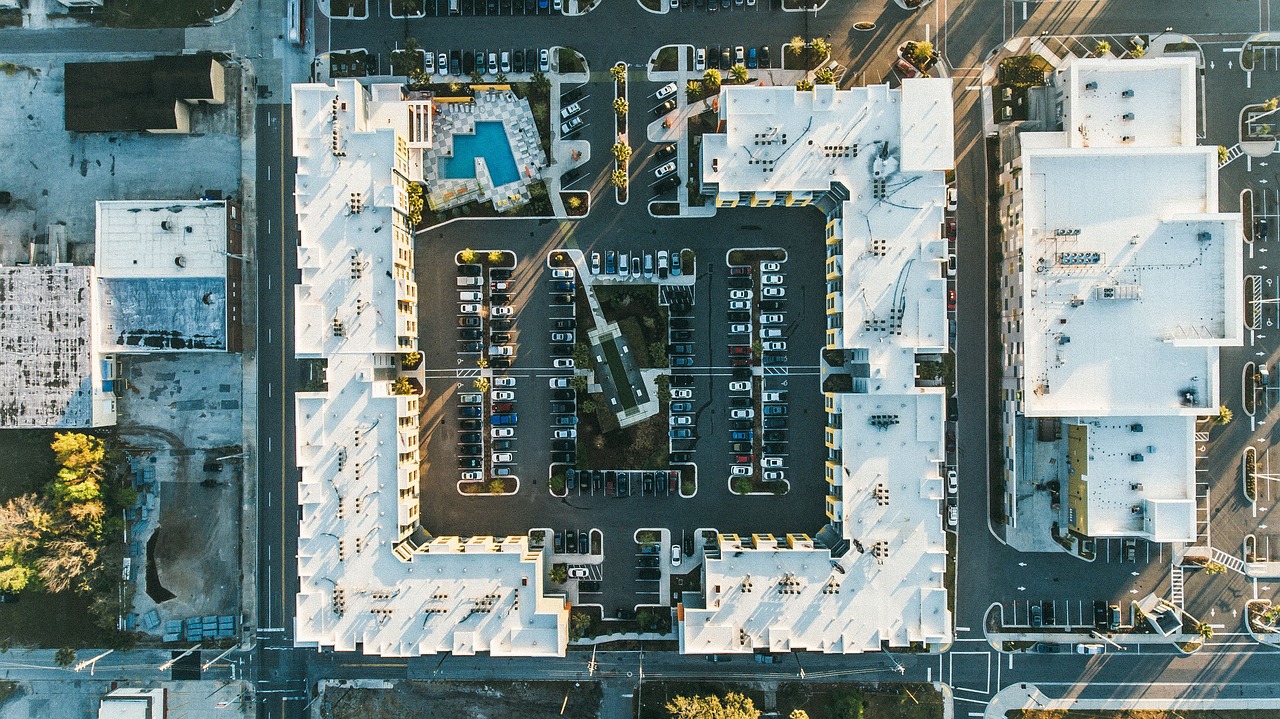
The roofing choices for apartment complexes in Tampa, Florida, extend far beyond aesthetics. A deep examine material choices reveals a significant environmental impact that necessitates informed decisions. In Tampa, where the sun shines brightly and the humidity is high, traditional roofing materials can lead to increased energy consumption due to heat absorption. This, in turn, can exacerbate urban heat islands effects, impacting both tenant comfort and energy costs for property managers.
Consider the contrast between a standard asphalt shingle roof and a metal roofing system. Asphalt shingles, while cost-effective, have a lifespan of 20-30 years and often end up in landfills, contributing to the growing problem of non-biodegradable waste. In contrast, metal roofing, though initially more expensive, lasts 40-50 years or more with minimal maintenance. It's a durable option that reduces the need for frequent replacements, lowering both the roofing project cost breakdown in Tampa and the environmental footprint.
The design of the roofing system plays a crucial role. Flat roofs, common in apartment complexes, present a unique challenge. Traditional materials like asphalt can lead to water pooling, which can cause damage over time. However, incorporating green roof elements, such as a layer of growing media and vegetation, can significantly reduce water runoff. This not only minimizes soil erosion but also helps in cooling the building, further lowering energy consumption. Licensed and insured roofing contractors in Tampa can guide property managers in selecting materials and designs that balance cost-effectiveness with environmental sustainability.
Roofing for apartment complexes in Tampa offers a unique opportunity to integrate eco-friendly practices. By considering the long-term environmental impact of material choices and system design, property managers can contribute to a greener community. This includes not only reducing waste and energy consumption but also enhancing the overall resilience of these buildings against the impacts of climate change.
Sustainable Options for Apartment Complex Roofs
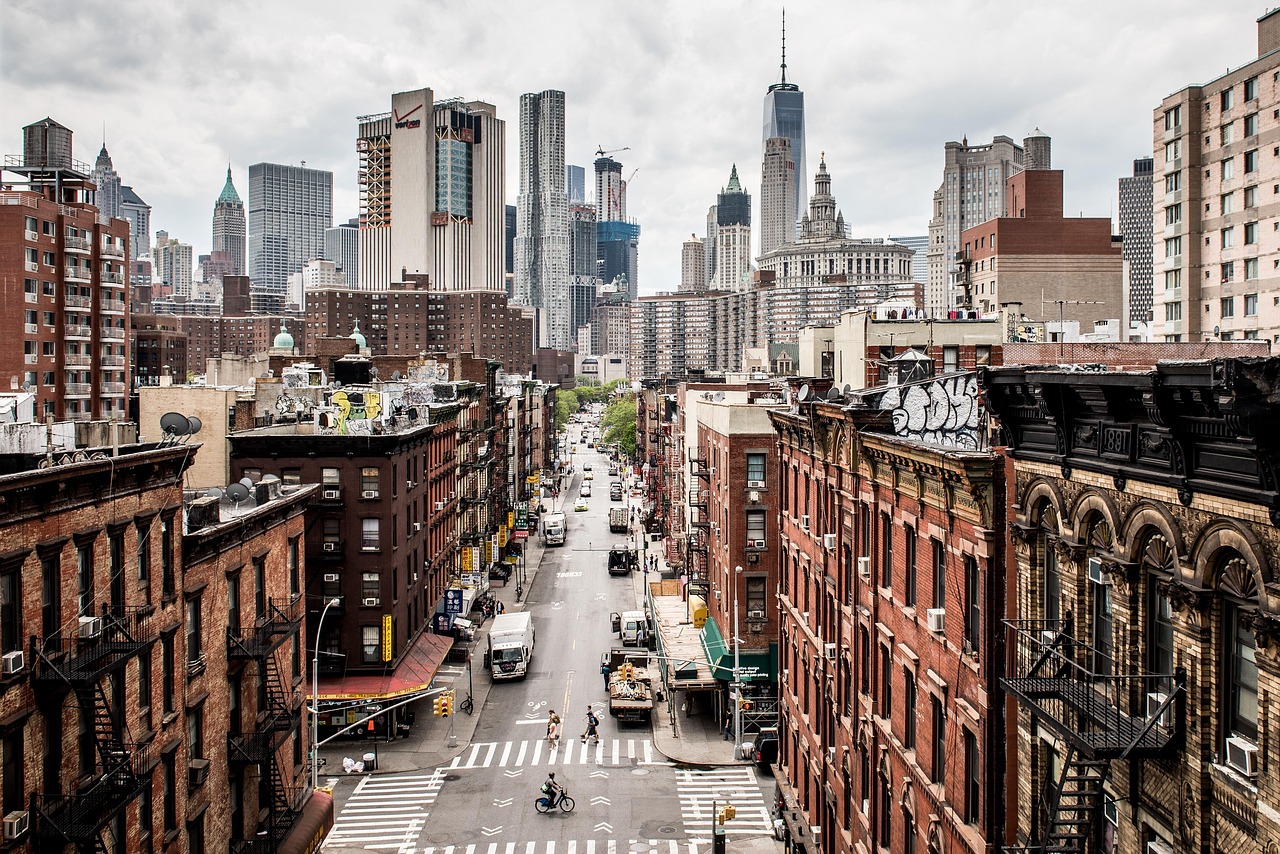
The environmental impact of roofing choices in Tampa, Florida is an increasingly critical consideration for apartment complex owners and managers. As the city's population grows, so does the need for sustainable roofing solutions that not only protect structures but also minimize ecological footprints. In Tampa, where natural disasters like hurricanes and extreme heat are common, choosing the right roofing materials can significantly impact energy efficiency, waste reduction, and long-term cost savings.
For apartment complexes in Tampa, embracing sustainable roofing options can be a transformative step. Certified roofing specialists in the region are increasingly incorporating eco-friendly materials and innovative design strategies into their case studies. Some complexes have opted for cool roofs, which reflect sunlight instead of absorbing it, leading to reduced energy consumption for air conditioning. Another trend is the use of recycled materials, such as recycled metal or rubber shingles, which divert waste from landfills and reduce the demand for new resources.
However, it's essential to avoid common roofing mistakes in Tampa that can lead to environmental and financial issues. Neglecting regular maintenance, for instance, can result in costly repairs and unnecessary waste from damaged or discarded materials. Improper installation can also compromise energy efficiency and even void warranties. To ensure the best outcomes, property managers should work closely with certified roofing specialists who understand the local climate and regulations. By prioritizing sustainable roofing practices, apartment complex owners in Tampa can contribute to a greener city while maintaining the integrity and value of their properties.
Local Regulations: Guiding Green Roofing Practices
The environmental impact of roofing choices in Tampa, Florida, is a critical consideration, especially when dealing with large-scale roofing projects for apartment complexes. Local regulations play a pivotal role in guiding green roofing practices, ensuring that buildings minimize their ecological footprint. In the context of Tampa, these guidelines are essential for managing the unique environmental challenges posed by the region's climate and biodiversity.
The city's strict building codes mandate the use of energy-efficient roofing materials, particularly in apartment complexes. This encourages contractors to select environmentally friendly options, such as reflective roofs that reduce the heat island effect. By maximizing the insulation properties of roofing, these measures can lower energy consumption for cooling, thereby decreasing greenhouse gas emissions. Tampa's regulations often require the implementation of water-efficient systems, promoting the use of green roofing techniques that capture and retain rainwater for irrigation or greywater reuse.
When choosing the best roofing materials for apartments in Tampa, it's crucial to consider not only cost and durability but also their life cycle assessment. Local authorities have started to incentivize the use of recycled and recyclable materials, further steering the industry towards sustainable practices. By adhering to these guidelines, roofing contractors can ensure that their installations not only meet the legal requirements but also contribute to the overall environmental health of the Tampa Bay area. These practices can lead to better insurance coverage for roof damage, as insurers often view well-maintained, eco-friendly buildings as lower-risk investments.
Long-Term Benefits: Cost and Community Impact Analysis

The environmental impact of roofing choices in Tampa matters in the long-term sustainability of apartment complexes. When considering a roofing project for these properties, a cost-and-community-impact analysis reveals several key benefits.
First, opting for environmentally friendly materials can lead to substantial savings over time. In Tampa, where the climate demands durable roofing, choosing cost-effective yet eco-conscious materials can reduce maintenance costs. Metal roofing has a longer lifespan than traditional asphalt shingles, translating to fewer replacements and less waste ending up in landfills. Some metal roofing manufacturers offer recycling programs, further mitigating the environmental footprint.
Avoiding common roofing mistakes is another crucial aspect. Many contractors in Tampa rush installations, leading to subpar work that may result in leaks and costly repairs. Investing in a well-planned, certified specialist's expertise ensures a robust roof that can withstand the region's weather patterns. This reduces the risk of damage not only to the apartments but also to the surrounding community. A well-designed roof can prevent water intrusion into the building, which is a major cause of structural damage and can be prevented with proper installation and maintenance protocols.
The environmental impact of roofing extends beyond the initial installation. The roofing project cost breakdown in Tampa often includes not just materials and labor but also disposal and recycling costs. By selecting materials with a lower environmental impact and ensuring proper disposal, apartment management can keep these costs down and contribute to a healthier environment. Some roofing companies offer to recycle old shingles, turning them into new products, thus reducing the need for virgin materials.
A thorough analysis of roofing choices in roofing for apartment complexes Tampa reveals that environmentally conscious decisions can lead to significant long-term benefits, both in cost savings and community impact. By avoiding common mistakes and choosing the right materials, Tampa's apartment complexes can stay protected while contributing to a sustainable future.
Frequently Asked Questions About The Environmental Impact of Roofing Choices in Tampa, Florida
What are the environmental considerations when choosing a roof?
When selecting a roof, consider the environmental impact of materials and their lifecycle. Opt for energy-efficient options like metal or tile, which have a lower carbon footprint than traditional asphalt shingles. Longer-lasting materials reduce waste and the need for frequent replacements. Choose local suppliers to cut down on transportation emissions and support the local economy.
How do roofing materials affect local ecosystems?
The choice of roofing material can impact local ecosystems. Asphalt shingles, for instance, contribute to heat islands, increasing urban temperatures. They also leach chemicals during heavy rains, potentially contaminating water sources. In contrast, reflective materials like metal or certain tiles reduce heat absorption, mitigating the heat island effect. Choosing biodegradable or recycled materials supports local wildlife habitats.
Are there local regulations regarding environmentally-friendly roofing?
Tampa Bay area municipalities have varying regulations regarding sustainable building practices, including roofing. Some encourage the use of green roofs, solar panels, or reflective materials to reduce energy consumption and urban heat islands. Check local building codes and incentives for guidelines and rebates promoting environmentally conscious roofing choices.
What is the environmental impact of installing a new roof?
Roof installations generate waste and contribute to construction-related emissions. However, responsible contractors can minimize these impacts by recycling old shingles, properly disposing of waste, and using energy-efficient equipment. Pre-planning and efficient project management can reduce on-site emissions and minimize the overall carbon footprint of the installation.
How can I ensure my new roof is both durable and eco-friendly?
For a durable and eco-friendly roof, prioritize high-quality, long-lasting materials. Metal and tile roofs, while initially more expensive, offer exceptional longevity and lower environmental impacts. Ensure proper installation by experienced contractors who follow best practices for energy efficiency and waste reduction. Regular maintenance also extends the life of your roof, decreasing the need for frequent replacements.
What are some long-term savings from choosing an environmentally-conscious roof?
Investing in an environmentally-conscious roof can lead to significant long-term savings. Energy-efficient materials lower utility bills, and longer-lasting roofs reduce the need for frequent repairs or replacements. Some local utilities offer rebates or tax incentives for installing green roofing options, further offsetting the initial costs.
As we've explored the environmental impact of roofing choices in Tampa, Florida, it's clear that sustainable options for apartment complex roofs offer a win-win scenario. By opting for eco-friendly materials, we not only reduce our carbon footprint but also mitigate long-term costs and enhance community resilience. Local regulations play a crucial role in guiding green roofing practices, ensuring that Tampa's apartment complexes remain not only environmentally sound but also aesthetically pleasing. The use of cost-effective, recycled materials and modern designs can significantly decrease maintenance needs and energy costs, while also fostering a sense of community pride. Moving forward, the key takeaways are clear: prioritize certified specialists who offer warranties, integrate maintenance programs, and stay informed about industry trends to make informed decisions for roofing for apartment complexes Tampa. This approach will not only benefit the environment but also ensure the longevity and value of these essential structures.
Roofing for Apartment Complexes in Tampa: Key Trends, Insights & Benefits
In Tampa, Florida, apartment complex roofing trends prioritize affordable durability and sustainability. Property managers seek cost-effective, long-lasting solutions that protect against intense weather. This drives demand for:
- Specialized contractors with large-scale experience.
- Modern, eco-friendly materials like solar reflective roofing.
- Comprehensive inspection protocols for early issue detection.
Beyond aesthetics, roofing choices significantly impact environmental sustainability and long-term costs. Sustainable options, such as cool roofs and recycled materials, reduce energy consumption, waste, and maintenance expenses.
Working with certified specialists who understand local regulations and climate ensures optimal outcomes:
- Cost savings through reduced maintenance and fewer replacements.
- Community protection by minimizing environmental impact and preventing structural damage.
- Long-term value preservation for apartment properties.